Grease Trap Cleaning in Austin, TX
Backed-up grease trap, inspection coming up, or routine pumping due? Speak with a service provider serving Austin to discuss pricing, check availability, and book your service.
Call to Book Service(877) 704-1271Your call connects you with an independent service provider. Confirm pricing and book directly with them.
- Under-sink traps and underground grease interceptors
- Scheduled cleanouts, drain backups, and inspection records
- Kitchens in restaurants, schools, hotels, hospitals, and food plants
Book by Phone
Call about an urgent issue or schedule your next pumping.
Call to Book(877) 704-1271- 1Enter your ZIP code Follow the phone prompt to reach a company serving your area.
- 2Describe what you need Explain the problem or the service you want to schedule.
- 3Confirm and book Ask about pricing, what is included, and the next available appointment.
Which situation are you in?
Need help now or planning your next service? Choose the situation that matches your kitchen.
Backed up or overflowing
As grease and solids crowd a trap, it may lose its ability to separate grease, and wastewater can rise through sinks or floor drains. Take these steps:
- Keep grease away from drains. Scrape plates into the trash, and return used cooking oil to its container.
- Pause fixtures connected to the trap. Do not run the affected sinks or dishwasher while water is backing up.
- Move staff around the wet area. Keep foot traffic clear of any water coming up through the floor drain.
- Record what happened and check the log. Take a photo of the trap, then locate the most recent pumping date.
Smell or slow drains
If sinks drain slowly after a busy shift or a floor drain smells sour, the trap may be collecting too much grease and food waste. A clogged pipe can produce similar signs. Many local programs want traps cleaned before accumulated grease and solids reach 25 percent of trap depth. Pumping at this point may prevent a spill and the cleanup it brings.
Call About Odors or Slow DrainsInspection due or notice received
An inspector may request your cleaning log. Many areas also expect a written plan for managing kitchen grease. Missing entries? Arrange pumping before the visit and make sure the completed work goes in the log. Request a disposal manifest from the provider and file it alongside your other records.
Call About an Inspection DeadlineRoutine schedule, new opening, or several locations
Before a new kitchen opens, arrange for a provider to handle its trap; many sewer authorities expect a grease management plan and records of cleaning. Managing several sites? Ask whether they can share a schedule and a single set of service records. For an operating kitchen, regular pumping helps keep buildup below the limit your city or sewer district sets.
Call to Schedule PumpingGrease trap and interceptor services
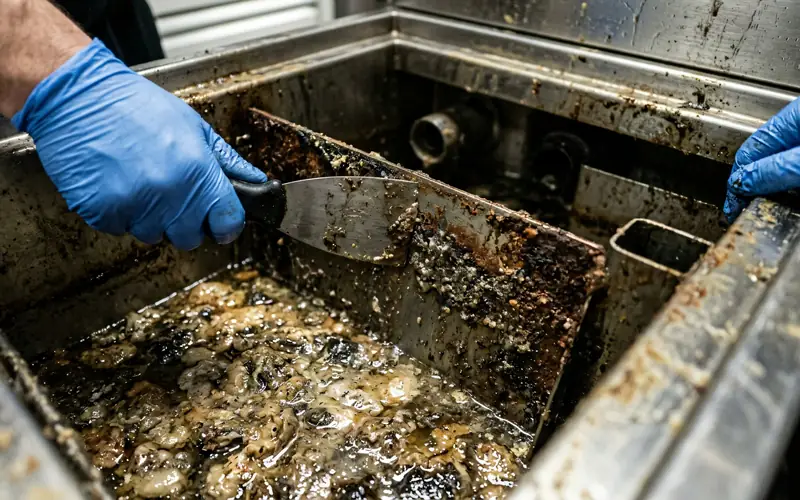 Indoor trapsGrease Trap CleaningFor kitchens with grease stuck to trap walls or slow drains after pumping, cleaning addresses buildup left inside the trap.Learn about cleaning →
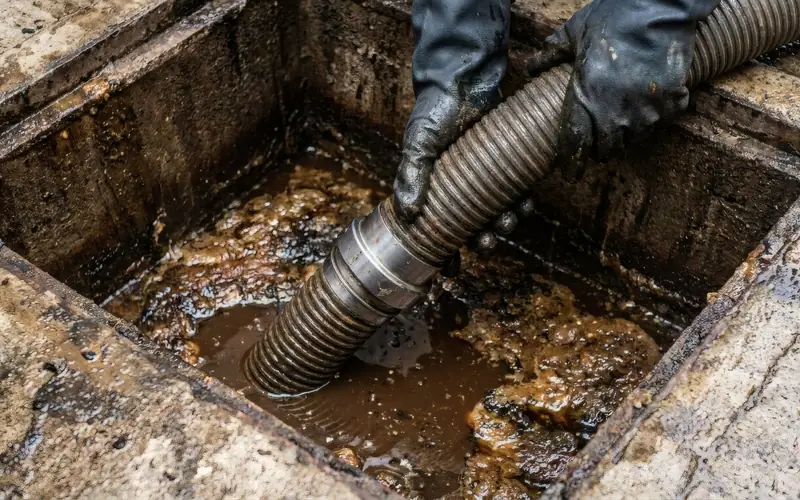 Indoor trapsGrease Trap PumpingFor kitchens with a trap due for pumping or grease buildup that may be affecting the drains.Learn about pumping →
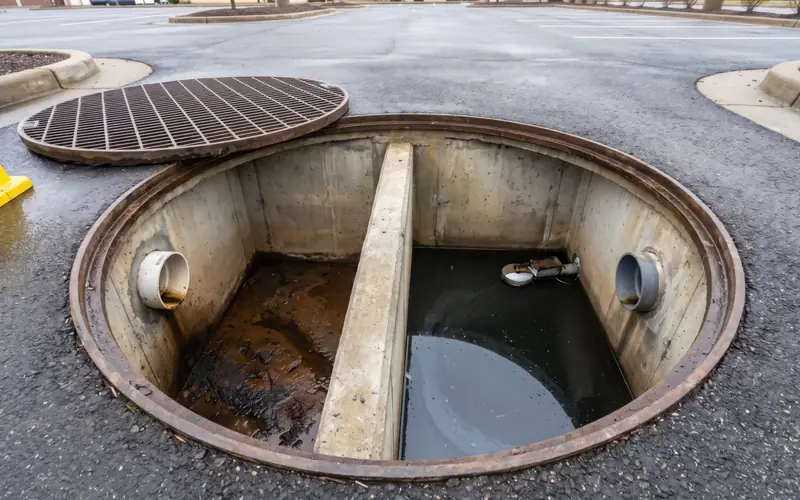 In-ground interceptorsGrease Interceptor CleaningFor kitchens with an outdoor interceptor that needs more than waste removal, especially when grease coats the tees or baffles.Learn about interceptor cleaning →
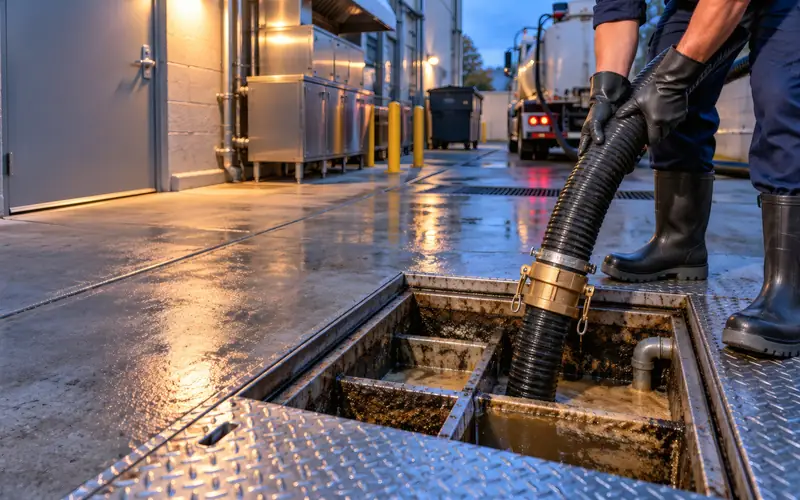 In-ground interceptorsGrease Interceptor PumpingFor kitchens with an in-ground interceptor that needs pumping before the next inspection or when drains start slowing.Learn about interceptor pumping →
Who uses this service
Fryers, grills, and dishwashers can put grease into kitchen drains. A trap or interceptor catches it before it reaches the sewer.
- Restaurants and cafes
- Fast food
- School and university cafeterias
- Hotels
- Hospitals and care homes
- Food processing plants
- Grocery delis and bakeries
- Caterers and commissaries
Ready to Book Grease Trap Cleaning?
Discuss your kitchen’s needs, confirm pricing, and book an available appointment.
Grease trap or grease interceptor?
You needn't identify your equipment before calling. The differences here can help you describe the unit on your property.
- Location
- Indoors, under a sink or set in the kitchen floor
- Flow rating
- Roughly 20 to 100 gallons per minute
- Which kitchens
- Cafes, small restaurants, bars, coffee shops
- Typical pumping interval
- Every 1 to 4 weeks for most busy kitchens
- Location
- Outdoors, buried below a parking lot or yard
- Typical size
- Roughly 500 to several thousand gallons
- Which kitchens
- High-volume restaurants, schools, hospitals, food plants
- Typical pumping interval
- Every 1 to 3 months, depending on volume and local rules
What Affects Grease Trap Cleaning Cost?
The price depends on the unit and the work required. When you call, describe your setup and ask what the quote includes.
Size and number of units
Your trap or interceptor’s capacity, if known, and how many units need service.
Current condition
When it was last pumped and whether you have a backup, odors, or slow drainage.
Access and scheduling
Where the unit is located, access restrictions, and your preferred service time.
Disposal and additional work
Whether disposal, service records, and any additional cleaning are included in the price.
Not sure what size unit you have? You can still call. Describe its location and the issue you are having.
Questions to ask before you hire a pumper
Before you book, ask what the service includes, which records you will receive, and whether any additional charges may apply.
- 1What permission do you have to haul grease waste here?Hauling requirements depend on location. Ask which paperwork applies to your kitchen so you can keep it with your files.
- 2Will you give me a disposal manifest after service?The manifest records where the waste was taken. File it with the service record so you can trace what happened to the load.
- 3Will you remove the settled solids during the pump-out?Grease floats, while sludge collects below it. Ask about both so material left at the bottom does not take up tank space.
- 4Will you check the baffles and outlet tee?A damaged baffle or loose outlet tee can let grease pass through. Ask for any problems found to be noted on the service record.
- 5Can we plan a regular pumping schedule?Planned dates make service easier to track during busy kitchen weeks. Check the schedule set by your city or sewer district.
- 6Will you fill in our cleaning log afterward?Many local programs require a record of each cleaning. The log should show the date, what was removed, and the trap's condition.
What to Have Ready When You Call
A few details can help the service provider assess your needs and discuss the right appointment.
- Your service address and ZIP code.
- Whether you have an indoor grease trap or an outdoor interceptor.
- The unit’s size, if known.
- Approximately when it was last pumped.
- Any backup, odors, slow drainage, or inspection deadline.
- The number of units or locations needing service.
Share what you know. You do not need every detail before calling.
Grease trap service across Austin, TX
Need grease trap or interceptor cleaning at your Austin business? Call about routine pumping, a current backup, or service ahead of an inspection.
Provide your address and ZIP code to confirm coverage. You can discuss access, preferred appointment times, and recurring service when you book.
Frequently Asked Questions
How often should a grease trap be cleaned?
A kitchen that sends a lot of greasy wastewater down the drain may need cleaning more often than one with lighter use. The menu and type of trap matter too. Check any schedule set by your city or sewer district, then ask a provider to help plan for your kitchen's use.
What does grease trap cleaning cost?
Pricing varies with the size and condition of the unit, access, and the work required. Call to discuss your setup and request pricing. Before booking, confirm whether the quote includes disposal, service records, and any additional charges.
Do providers clean grease interceptors as well as indoor grease traps?
The equipment a company handles varies. Some take care of indoor traps and outdoor interceptors, while others work on one type. Tell the provider what you have, including its size if you know it, so they can confirm whether they handle that equipment.
What happens if I delay grease trap cleaning?
Grease and settled solids can crowd the space wastewater needs to flow through a trap. That can contribute to slow drains, odors or backups, although a blocked line can cause similar symptoms. Falling behind on cleaning can also cause problems with local requirements.
How long does grease trap pumping take?
The size of the equipment, the waste inside it and access to the lid all affect the work involved. Cleaning baffles or checking an outlet tee may add work. Describe the trap's condition when you call so the provider can estimate how long the job may take.
Who will I speak to when I call?
After the ZIP-code prompt, you will speak with an independent service provider serving your area. You can discuss the work, confirm pricing and availability, and book directly with that company. This website helps connect callers with service providers; it does not perform the cleaning.
Need Grease Trap Cleaning in Austin, TX?
Urgent issue or routine maintenance? Call to discuss your service needs, confirm pricing, and book an available appointment.
Call to Book Service(877) 704-1271